
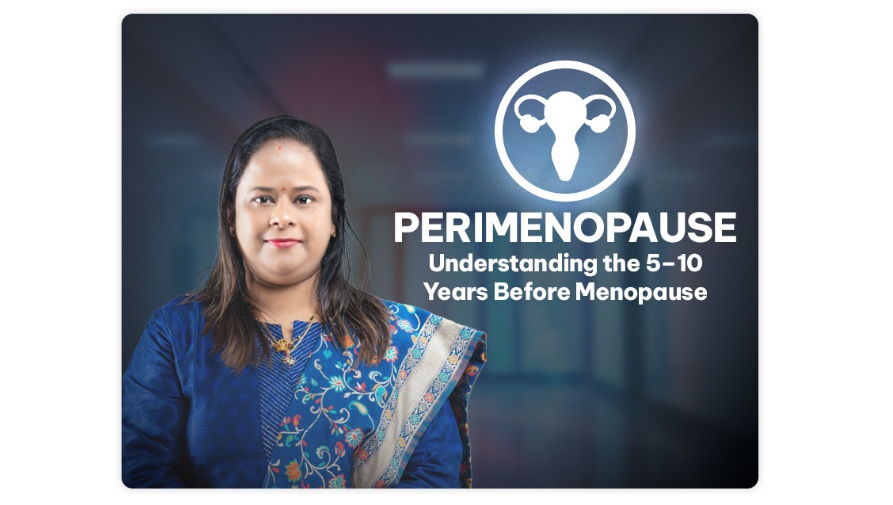
India: Many women in their late thirties or early forties visit a gynecologist with a familiar concern:
“My periods are still coming, but my body doesn’t feel the same anymore.”
They speak of mood swings, disturbed sleep, unexplained fatigue, weight gain, or a general sense that something has changed. What most women do not realize is that these changes often mark the beginning of a natural and important phase called perimenopause.
What Is Perimenopause?
Perimenopause is the transitional phase leading up to menopause. It can begin five to ten years before menopause, usually between the ages of 35 and 45. During this time, the ovaries start producing fluctuating levels of estrogen and progesterone. These hormonal changes are gradual and uneven, which explains why symptoms may appear suddenly, disappear, and return unpredictably.
Menopause itself is reached only after twelve consecutive months without a menstrual period. Until then, a woman is considered to be in perimenopause.
Why Perimenopause Often Goes Unnoticed
One of the main reasons perimenopause is overlooked is that periods usually continue, though their pattern changes. Cycles may become shorter or longer, bleeding may be heavier or lighter, or some months may be skipped. Many women attribute these changes to stress, work pressure, or aging, unaware that hormonal transition has already begun.
Common Symptoms Women Experience
Hormones influence nearly every system in the body, which is why perimenopause affects women in diverse ways.
Emotional and Mental Changes
Mood swings, irritability, anxiety, low mood, or emotional sensitivity are often early signs. These symptoms are frequently misunderstood or dismissed, yet hormonal imbalance plays a significant role.
Sleep Disturbances and Fatigue
Difficulty falling asleep, frequent night awakenings, night sweats, or waking up feeling unrefreshed are common. Over time, poor sleep can affect memory, concentration, and overall quality of life.
Physical Changes
Hot flashes may start mildly and increase gradually. Many women notice weight gain, particularly around the abdomen, even without dietary changes. Joint aches, breast tenderness, skin dryness, and hair thinning may also occur.
Sexual and Intimate Health
Reduced sexual desire, vaginal dryness, or discomfort during intercourse may develop. These changes can affect emotional wellbeing and relationships, yet many women hesitate to seek help due to embarrassment or lack of awareness.
Diagnosis: More Than Just a Blood Test
There is no single blood test that can confirm perimenopause. Hormone levels fluctuate daily, making test results unreliable. Diagnosis is primarily based on age, symptoms, and menstrual pattern changes. Doctors may also recommend tests to rule out conditions such as thyroid disorders, anemia, or vitamin deficiencies.
The Role of Diet in Perimenopause
Nutrition plays a crucial role during this stage of life.
- Protein-rich foods (pulses, eggs, fish, dairy) help maintain muscle mass and energy levels
- Calcium and vitamin D support bone health and reduce osteoporosis risk
- Whole grains, fruits, and vegetables help regulate weight and digestion
- Healthy fats (nuts, seeds, olive oil) support hormonal balance
- Limiting excess sugar, caffeine, and processed foods can reduce mood swings and sleep problems
Regular hydration is equally important, as hormonal changes can increase dryness and fatigue.
Exercise: A Powerful Medicine
Physical activity is one of the most effective ways to manage perimenopausal symptoms.
- Brisk walking, cycling, or swimming improves heart health and controls weight
- Strength training helps preserve bone density and muscle mass
- Yoga and stretching improve flexibility, reduce stress, and promote better sleep
- Breathing exercises and meditation help manage anxiety and emotional changes
Consistency matters more than intensity. Even 30 minutes a day can make a meaningful difference.
Medical Support When Needed
When symptoms interfere with daily life, medical treatment may be recommended. Options include hormonal or non-hormonal therapies, selected carefully based on individual health history and risk factors. Self-medication should always be avoided.
Why Perimenopause Should Not Be Ignored
Hormonal changes during perimenopause can influence long-term health, including bone strength, heart health, and metabolic balance. Early recognition allows women to take preventive steps that protect their future wellbeing.
Doctor’s Feedback
Perimenopause is a natural biological transition, not a disease to be silently endured. Hormonal changes during this phase can affect physical, emotional, and mental well-being, but with awareness and timely medical guidance, symptoms can be effectively managed. Ignoring changes often delays care and impacts quality of life. Listening to your body and seeking advice when symptoms feel unfamiliar is an act of self-care. Support from families, workplaces, and society is equally important. Open conversations reduce stigma and empower women to navigate perimenopause with confidence, dignity, and balanced health.
Connect with Dr. Tanushree Rath at www.drtanushreerath.com