

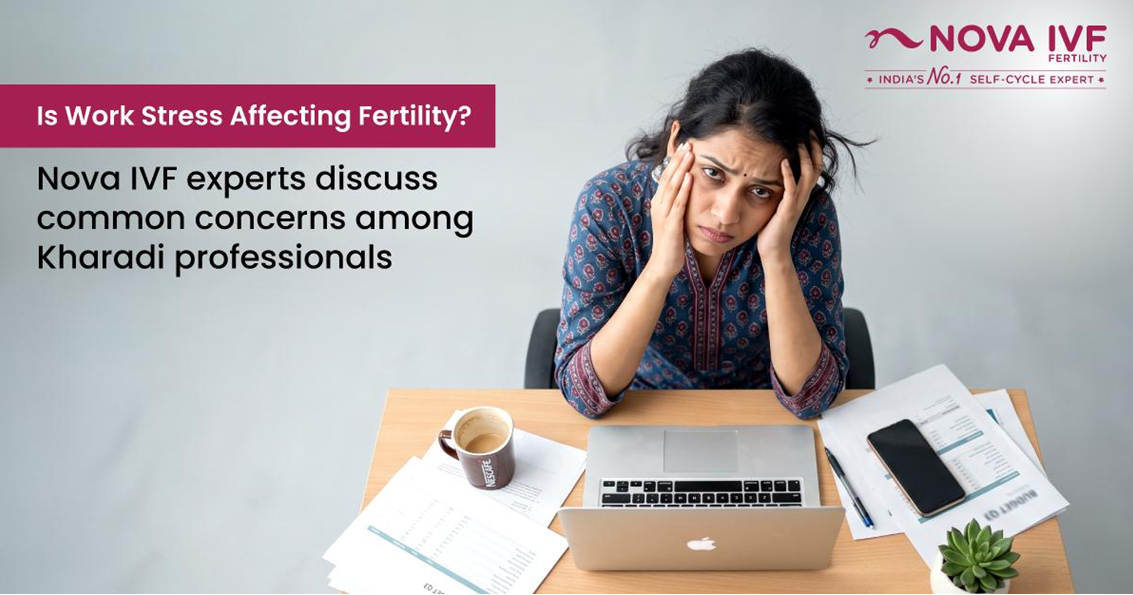
Long working hours, tight deadlines, late-night meetings, and demanding schedules have become part of everyday life for many professionals in Kharadi. As more couples delay parenthood while focusing on their careers, questions about stress and fertility are becoming increasingly common. One of the most frequently asked questions is: does work stress affect fertility in Kharadi? The answer is not as straightforward as many people expect. While stress alone rarely causes infertility, it can influence reproductive health in several ways. Nova IVF specialists in Kharadi explain what current research says and how working professionals can protect both their well-being and fertility.
Why This Question Comes Up So Often in Kharadi’s IT and Corporate Crowd
Kharadi has emerged as one of Pune’s largest IT and business hubs, employing thousands of professionals across technology, finance, consulting, healthcare, and multinational companies. Conversations around IT professionals’ fertility in Pune have become more common as couples increasingly postpone pregnancy due to career growth, financial planning, or work commitments.
Many professionals work extended hours, manage rotating shifts, or remain connected to work even after office hours. Frequent travel, irregular meals, poor sleep, and prolonged screen time often become part of daily life. These habits may not directly cause infertility, but together they can affect overall health, hormonal balance, and lifestyle choices that influence reproductive health. Considering the health issues it becomes essential to choose the best fertility hospital in Kharadi. As awareness grows, more couples are seeking fertility consultations earlier to understand how their lifestyle may impact their chances of conceiving.
The Short Answer: Stress Alone Rarely Causes Infertility, but It Isn’t Harmless Either
If you’re wondering whether work stress affects fertility in Kharadi, the short answer is that stress by itself is rarely the sole cause of infertility. However, that does not mean it should be ignored. Scientific studies suggest that chronic stress can influence hormones involved in reproduction, affect sleep quality, reduce libido, and contribute to unhealthy habits such as poor nutrition, smoking, alcohol consumption, or lack of exercise. Together, these factors may reduce the chances of conception.
Another important point is that infertility itself can become a source of emotional stress, creating a cycle where anxiety and fertility concerns reinforce one another. This is why fertility specialists often encourage couples to address both their medical and emotional well-being during treatment.
How Cortisol Actually Interferes with Reproductive Hormones
The connection between cortisol and fertility begins with the body’s natural stress response. When we experience stress, the adrenal glands release cortisol, commonly known as the “stress hormone.” In short-term stressful situations, cortisol helps the body respond effectively. However, when stress becomes long-lasting, consistently elevated cortisol levels can influence the communication between the brain, pituitary gland, and reproductive organs.
This hormonal network regulates ovulation in women and sperm production in men. Chronic stress may disrupt these signals, potentially affecting reproductive hormone levels, menstrual regularity, sexual function, and overall fertility.
Researchers continue to study the exact relationship because fertility is influenced by many factors, including age, medical conditions, genetics, and lifestyle. Current evidence suggests that stress acts more as a contributing factor than a direct cause of infertility.
The Effect on Ovulation and Menstrual Cycles in Women
The relationship between stress and ovulation is well recognised, although it varies from person to person. Some women experiencing prolonged stress may notice delayed ovulation, irregular menstrual cycles, or changes in cycle length. In severe cases, chronic stress can temporarily suppress ovulation altogether.
Stress may also worsen conditions such as PCOS or contribute to unhealthy sleep and eating patterns that indirectly affect hormonal balance. However, occasional stressful days at work are unlikely to stop ovulation. Persistent stress over weeks or months is generally considered more significant than short-term workplace pressure.
The Effect on Testosterone and Sperm Quality in Men
Stress affects men as well as women. Long-term psychological stress may influence testosterone production and the hormones responsible for sperm development. Some studies have linked chronic stress with reduced sperm concentration, lower motility, and changes in sperm quality.
Stress can also contribute to erectile dysfunction, reduced sexual desire, disturbed sleep, and unhealthy coping habits such as smoking or excessive alcohol consumption, all of which may further affect fertility. Since male fertility contributes to nearly half of all infertility cases, evaluating both partners remains an important part of fertility assessment.
Long Work Hours, Irregular Shifts, and Burnout: The Kharadi-Specific Pattern
Maintaining a healthy work-life balance and conception can be challenging for many professionals working in Kharadi’s corporate ecosystem. Shift work, international client meetings, long commutes, night shifts, and unpredictable deadlines often reduce time for exercise, healthy meals, and adequate sleep. Couples may also struggle to spend quality time together, making it difficult to plan intercourse during the fertile window.
Burnout can gradually affect both physical and emotional health, leading to fatigue, anxiety, and reduced intimacy. While none of these factors automatically causes infertility, they may reduce the likelihood of conception over time. Creating healthier daily routines, setting work boundaries where possible, and prioritising self-care can support both overall wellness and reproductive health.
Practical, Evidence-Based Ways to Manage Stress While Trying to Conceive
Good stress management for fertility does not mean eliminating stress. Instead, it involves developing healthy habits that support both physical and emotional well-being.
Some practical strategies include:
- Prioritise 7–9 hours of quality sleep each night.
- Follow a balanced diet rich in fruits, vegetables, whole grains, lean protein, and healthy fats.
- Engage in regular moderate physical activity such as walking, yoga, or swimming.
- Practise relaxation techniques like meditation, deep breathing, or mindfulness.
- Limit smoking, excessive alcohol, and excessive caffeine intake.
- Maintain open communication with your partner about fertility concerns.
- Seek counselling or psychological support if stress feels overwhelming.
Even small, consistent lifestyle improvements can positively influence overall health while making fertility treatment less emotionally demanding.
When Stress Might Be Masking a Separate Underlying Issue
Many people searching for an explanation for chronic stress infertility assume stress is the only explanation for delayed conception. In reality, underlying medical conditions are often involved.
Women may have PCOS, endometriosis, thyroid disorders, diminished ovarian reserve, or blocked fallopian tubes. Men may have reduced sperm count, hormonal imbalances, varicocele, or other reproductive conditions.
If a woman under 35 has been trying to conceive for one year without success or for six months if she is over 35, it is advisable to consult a fertility specialist. An evaluation can identify medical causes while also addressing lifestyle and emotional factors that may be contributing to the situation.
How Nova IVF Kharadi Supports Working Professionals Through This
At Nova IVF Kharadi, fertility care is designed to fit the realities of modern professional life. Specialists understand that working individuals often need flexible appointment scheduling, clear communication, and personalised treatment plans that accommodate demanding work routines.
The team provides comprehensive fertility evaluations for both partners, evidence-based treatment recommendations, counselling support, and guidance on lifestyle modifications that may improve reproductive health.
Rather than focusing on stress alone, Nova IVF takes a holistic approach by assessing age, medical history, hormonal health, lifestyle factors, and fertility goals. This helps couples make informed decisions while receiving compassionate support throughout their fertility journey.
Conclusion
Workplace stress has become an unavoidable part of modern life, especially in fast-growing business hubs like Kharadi. While stress alone rarely causes infertility, chronic stress can influence hormones, lifestyle habits, and emotional well-being in ways that may affect reproductive health.
The good news is that many stress-related factors are manageable. Healthy routines, timely medical evaluation, and expert fertility guidance can help couples better understand their reproductive health and improve their chances of conception.
If you have concerns about fertility, don’t assume stress is the only reason. A consultation with a fertility specialist can help identify any underlying issues and create a personalised plan that supports your family-building goals.

